
Kitchenhood Fire Suppression Systems: A Guide for Pampanga Restaurants and Food Businesses
Kitchenhood fire suppression Pampanga restaurants need should be planned around the actual cooking line, hood, ducts, fuel source, staff routine, and maintenance records. Restaurants, canteens, commissaries, hotel kitchens, and cloud kitchens all create different fire risks, so the system must match the equipment in use.
What Restaurant Owners Should Check
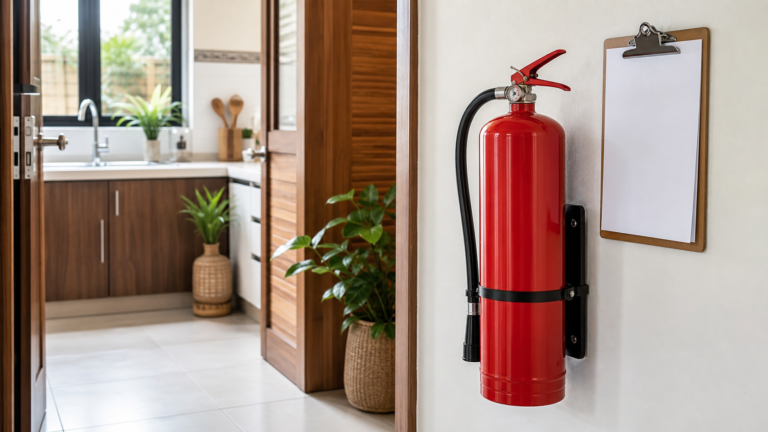
Review whether the hood and cooking equipment are covered properly, whether portable extinguishers are placed along safe approach paths, whether staff understand shutdown and emergency steps, and whether service tags and reports are current. A kitchenhood system also needs maintenance access so nozzles, cylinders, links, and controls can be checked without guesswork.
SF Allied can help Pampanga food businesses review extinguisher readiness, refilling, inspection tags, fire safety products, and training support alongside kitchen suppression planning. For any restaurant, the practical goal is a system that can be inspected, serviced, and understood by the people working near the cooking line every day.
Why Commercial Kitchens Need Dedicated Fire Suppression
Commercial kitchen fires are one of the most common causes of business fires in the Philippines. Cooking oil, grease-laden vapors, and open flames create fire conditions that standard fire extinguishers alone cannot handle quickly enough. The BFP requires all commercial food establishments in Pampanga to install a certified kitchenhood fire suppression system.
How Kitchenhood Suppression Systems Work
A kitchenhood suppression system is installed within the exhaust hood above cooking equipment. When a fire is detected — either by a heat-sensing fusible link or an automated detector — the system discharges a wet chemical agent directly onto the cooking surface and into the grease-laden exhaust duct. The agent reacts with hot grease through saponification, creating a soap-like foam layer that smothers the fire and prevents re-ignition. The fuel supply is simultaneously shut off.
What Equipment Is Covered
Kitchenhood systems are designed to protect fryers, griddles, ranges, broilers, and woks — any high-temperature cooking appliance that presents a grease fire risk. The system is engineered to the specific layout of your kitchen, with nozzles positioned over each protected appliance.
BFP Requirements for Commercial Kitchens
BFP inspectors check that the kitchenhood suppression system is installed by a licensed contractor, covers all cooking appliances under the hood, has been tested and tagged, and that a Class K fire extinguisher is mounted nearby as a secondary measure. The system must be serviced every six months.
Integration with Your Overall Fire Safety Plan
Your kitchenhood system should work alongside your fire alarm system, fire extinguishers, and emergency lighting to give your restaurant or food business complete fire safety coverage.
SF Allied Kitchenhood Suppression Services in Pampanga
SF Allied designs, supplies, installs, and services kitchenhood suppression systems for restaurants, hotels, commissaries, and food courts across Pampanga including Angeles City, Clark, and San Fernando. Contact us to get a quote for your establishment.
Keep Kitchen Staff Part Of The Plan
A kitchenhood fire suppression Pampanga installation works better when kitchen staff understand the basics: where portable extinguishers are mounted, how to report a discharged or damaged unit, who calls the service provider, and why blocked hoods or dirty cooking areas create avoidable risk.
During maintenance visits, keep notes on cylinder condition, tags, nozzle access, hood condition, and any recommended correction. Restaurant owners should store these records with other fire safety documents so the kitchen suppression system is not separated from daily operations and inspection preparation.