
Fire Alarm System Installation and Compliance in Pampanga
Fire alarm system installation Pampanga businesses plan should begin with the building layout, occupancy, and inspection requirements. An FDAS should help people identify and respond to a fire condition quickly, which means detector locations, alarm zones, wiring routes, panel access, and handover records all matter.
Installation And Maintenance Points
Before approving a fire alarm proposal, ask whether the supplier inspected ceiling conditions, dusty or humid areas, electrical rooms, kitchens, storage zones, and future renovation plans. Confirm what testing is included, how staff will be oriented, and what documentation will be turned over after installation.
SF Allied can coordinate practical fire safety equipment support alongside related extinguisher inspection, refilling, and training needs. For building-specific fire alarm requirements, the final scope should always be based on the actual site and the authority reviewing the property.
Why Your Pampanga Business Needs a Fire Alarm System
A fire alarm system is your first line of defense against fire-related casualties and property loss. In Pampanga, the Bureau of Fire Protection (BFP) requires commercial and multi-occupancy buildings to have certified fire alarm systems as a condition of the Fire Safety Inspection Certificate (FSIC). Failing to install or maintain one risks not only your FSIC renewal but the safety of everyone in your building.
Components of a Commercial Fire Alarm System
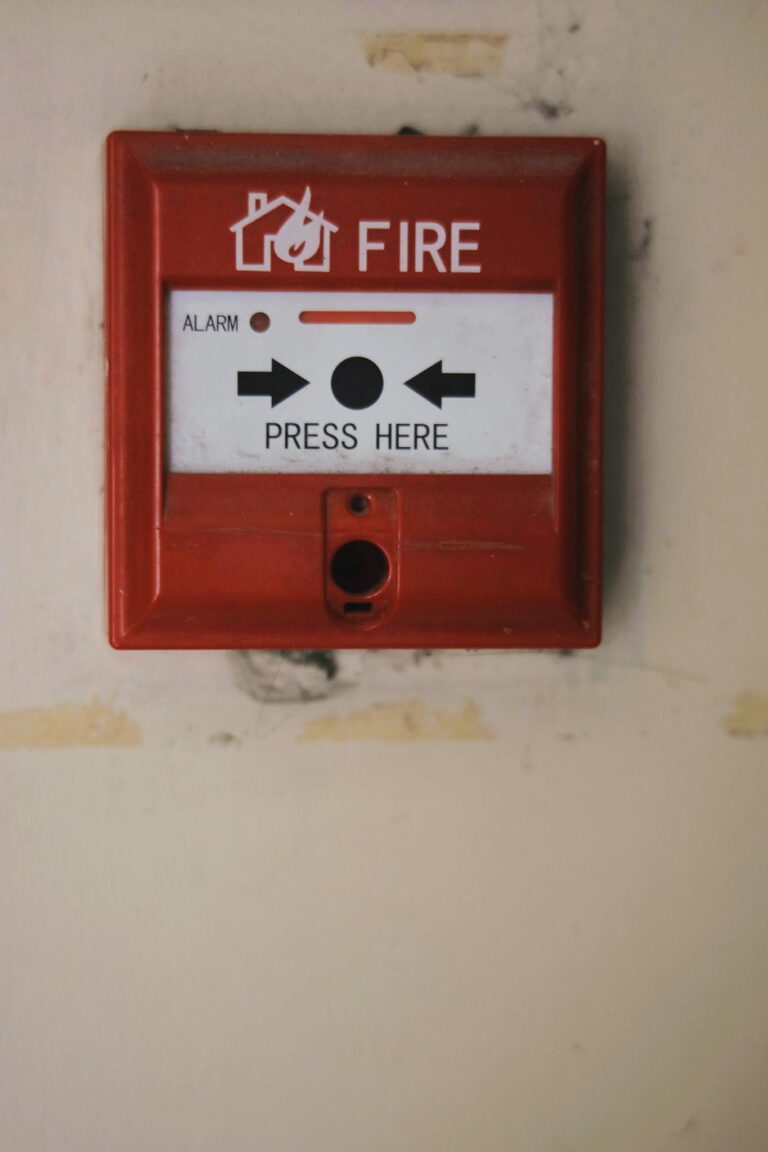
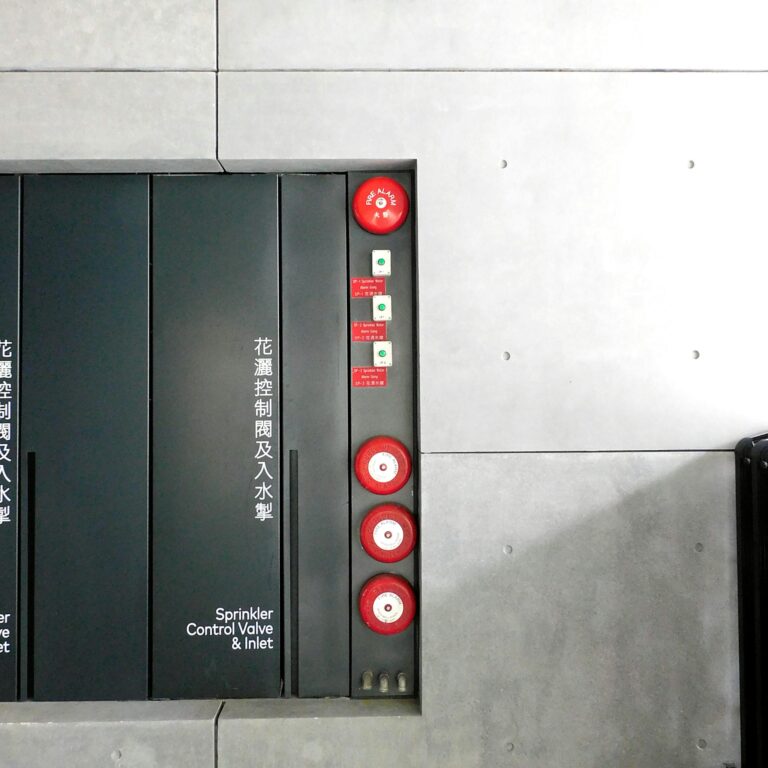
A complete fire alarm system in Pampanga typically includes: smoke detectors (photoelectric or ionization), heat detectors for high-dust or high-humidity areas, manual call points (break-glass stations) at exit points, a fire alarm control panel (FACP), audible sounders and strobe lights for notification, and connection to a monitoring station or BFP.
Addressable vs. Conventional Systems
Conventional systems divide a building into zones and indicate which zone has triggered. Addressable systems identify the exact detector that activated, allowing faster response and easier fault diagnosis. For larger facilities in Clark, San Fernando, or Angeles City, addressable systems are strongly recommended.
BFP Requirements for Fire Alarm Systems
BFP inspectors verify that detectors cover all required areas, that the system has a backup power supply, that alarm sounders are audible throughout the building, and that the system has been tested and certified by a licensed fire protection engineer. Systems must be inspected and maintained on a regular schedule.
Integration with Other Fire Safety Systems
Modern fire alarm systems integrate with FM200 suppression systems, kitchenhood suppression systems, and emergency lighting to create a fully coordinated emergency response. When the alarm triggers, suppression activates and emergency lighting switches on simultaneously.
SF Allied Fire Alarm Installation Across Pampanga
SF Allied designs, supplies, installs, and maintains fire alarm systems for businesses in Angeles City, Clark, San Fernando, Guagua, and across Pampanga. Get in touch to schedule a site survey.
Questions Before You Approve The Scope
Ask how the fire alarm system installation Pampanga project will handle detector placement, manual call points, alarm sound levels, power backup, cable protection, panel labeling, and handover testing. The proposal should also identify exclusions, especially if civil works, ceiling access, electrical supply, or future tenant changes may affect the installation.
After installation, keep test records, device lists, layout notes, and maintenance contacts in one file. If the building changes, review the alarm coverage again instead of assuming the original layout still fits the new rooms or equipment.