
Types of Fire Extinguishers and When to Use Them in the Philippines
Fire extinguisher types Philippines property owners commonly compare include water, foam, dry chemical, carbon dioxide, clean-agent, and wet chemical options. The right type depends on the likely fuel source, the room, user readiness, cleanup concerns, and whether local refilling and inspection support is available.
How To Match Extinguisher Type To Risk
ABC dry chemical units are often used for general coverage, while clean-agent units may fit electronics-sensitive rooms. Kitchen or cooking-oil risks may need a different plan, especially for food businesses. Foam and carbon dioxide have their own use cases, but no extinguisher should be chosen without checking placement, access, tags, pressure, and future maintenance.
SF Allied supplies Powermate Firex extinguishers, refilling, inspections, maintenance, hydrotesting, and training support. If you are unsure which extinguisher type fits a Pampanga or Central Luzon property, start with a site-specific recommendation instead of buying only by color or cylinder size.
Choosing the Right Fire Extinguisher for Your Property
Not all fires are the same, and neither are fire extinguishers. Using the wrong type can be ineffective — or even dangerous. If your business in Pampanga is due for a BFP inspection or you are upgrading your fire safety setup, here is a clear guide to the main extinguisher classes used in the Philippines.
Class A — Ordinary Combustibles
Class A extinguishers handle fires involving wood, paper, cloth, and plastics. These are the most common type and are required in offices, warehouses, retail spaces, and schools. Water-based (stored pressure) and dry chemical units both cover Class A fires.
Class B — Flammable Liquids and Gases
Class B extinguishers are rated for gasoline, diesel, oil, paint, and LPG fires. CO2 and dry chemical extinguishers are standard for Class B risks. These are required in gas stations, kitchens, workshops, and any facility storing flammable materials.
Class C — Electrical Fires
Electrical fires require a non-conductive extinguishing agent. CO2 extinguishers and dry chemical units rated Class C are safe to use on live electrical panels, servers, and machinery. Water must never be used on electrical fires.
Class K — Commercial Kitchen Fires
Cooking oil and fat fires burn at extremely high temperatures and can re-ignite. Class K extinguishers use a wet chemical agent that saponifies the fuel, preventing re-ignition. Commercial kitchens in Pampanga are required to have Class K units alongside a kitchenhood suppression system.
Dry Chemical (ABC) Multi-Purpose Extinguishers
ABC dry chemical extinguishers cover Classes A, B, and C and are the most versatile option for general commercial use. They are widely used across Pampanga businesses as a cost-effective way to meet BFP requirements.
Supply, Installation, and Servicing in Pampanga
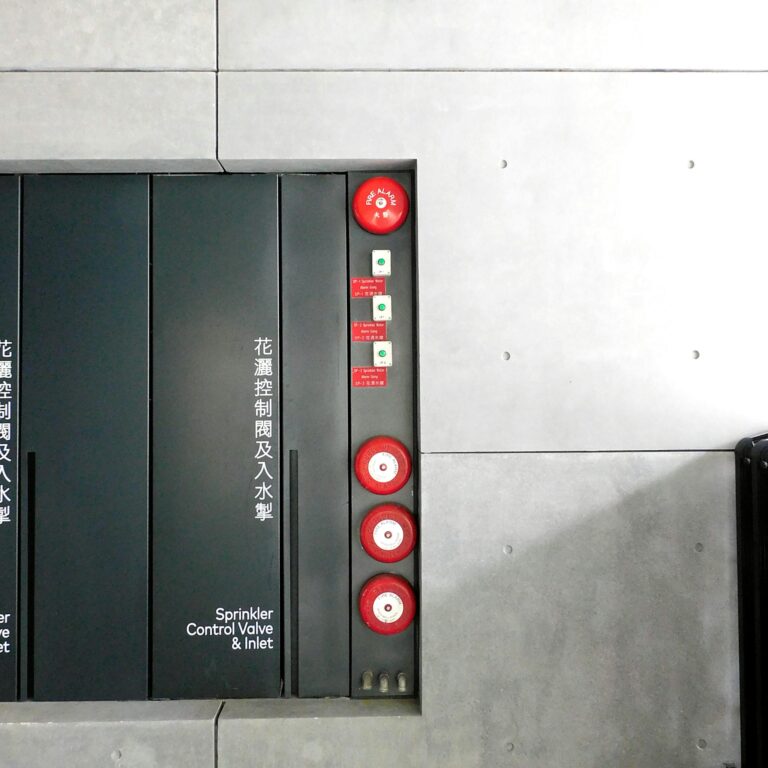
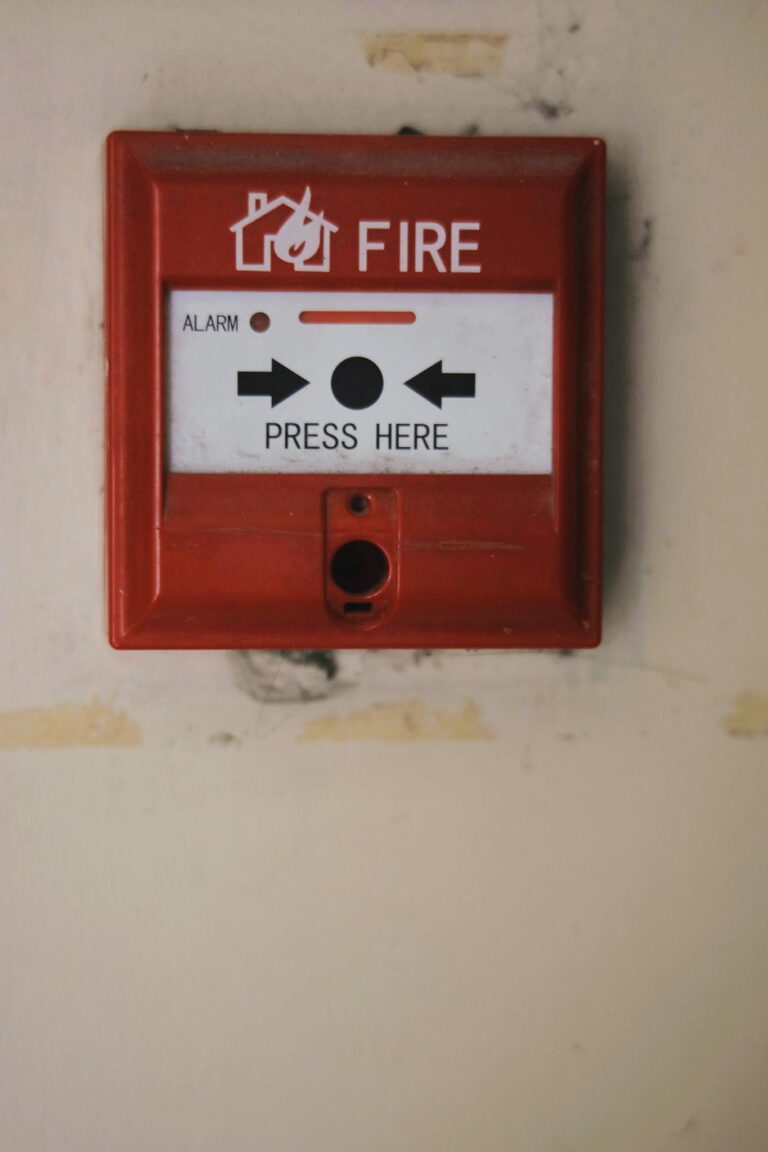
SF Allied supplies and services all classes of fire extinguishers in Pampanga. We also pair them with fire alarm systems, emergency lighting, and fire hose cabinets to give your property complete fire safety coverage. We serve Angeles City, Clark, San Fernando, and all surrounding municipalities.
Choose By Location, Not Color
When comparing fire extinguisher types Philippines buyers often focus on color, size, or price first. A better approach is to list the likely fire risks in each location: paper and wood in offices, fuel or paint in storage, energized equipment in electrical areas, cooking oil in kitchens, or mixed risks in small businesses.
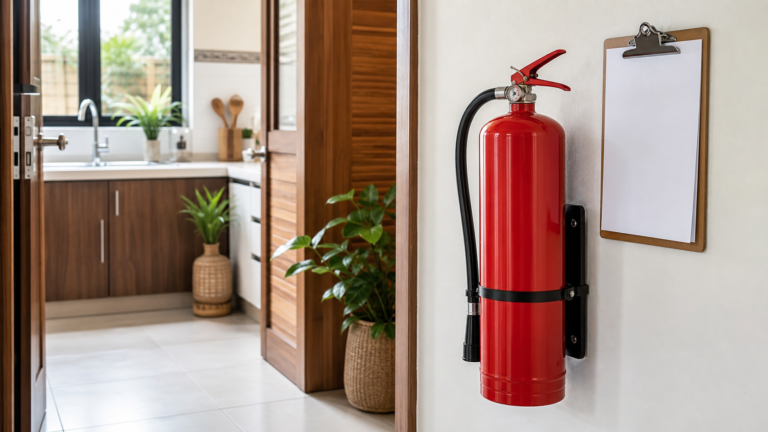
After choosing a type, confirm the extinguisher is mounted visibly, tagged, accessible, and supported by local refilling and inspection service. The best extinguisher type is the one matched to the hazard and maintained well enough to be ready when someone reaches for it.