Clean-Agent Extinguishers: A Practical Buyer’s Guide for Homeowners in Pampanga & Central Luzon
Clean-agent extinguishers can be useful for Pampanga homes where electronics, CCTV recorders, network equipment, or home-office gear need a fire response option with less residue than dry chemical powder.
A clean-agent extinguisher is not the first extinguisher every home needs, but it can be the right one for specific rooms and valuables. For many Pampanga and Central Luzon homeowners, the real question is not whether a clean-agent unit sounds more advanced than an ABC dry chemical extinguisher. The better question is where powder cleanup, electronics damage, or sensitive equipment downtime would create a second problem after the fire is controlled.
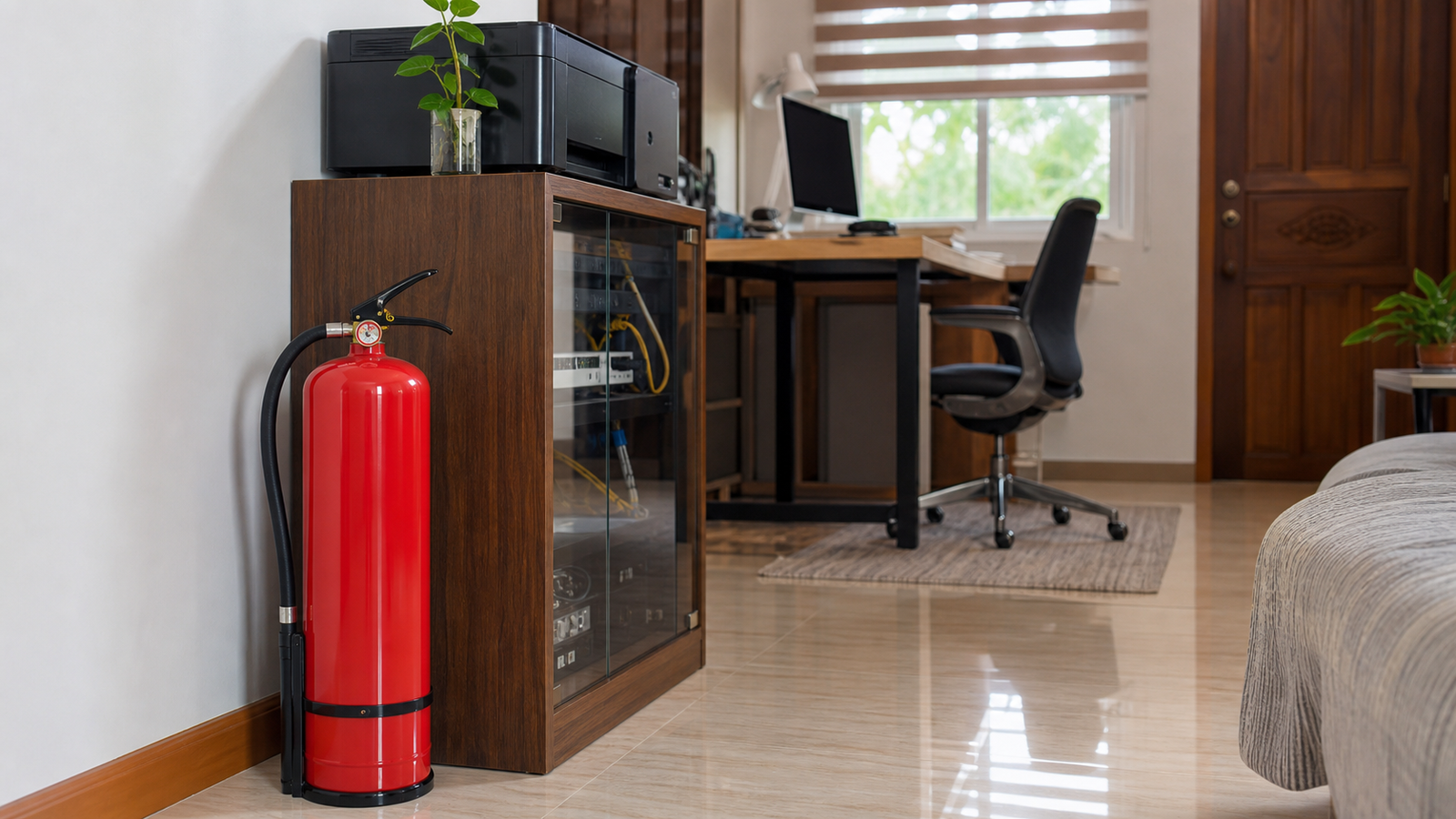
SF Allied positions clean-agent extinguishers as residue-free protection for electronics-sensitive areas. That matters in homes with work-from-home equipment, network cabinets, home offices, CCTV recorders, small server racks, audio systems, hobby electronics, or other assets that should not be covered in dry chemical powder unless there is no better option.
What Makes A Clean-Agent Extinguisher Different
A typical ABC dry chemical extinguisher is versatile and useful for many ordinary home risks. It is still a practical baseline for kitchens, garages, stock rooms, vehicles, and general household coverage. A clean-agent extinguisher serves a narrower purpose: it is designed for areas where the extinguishing agent should not leave heavy residue on equipment.
That difference changes how you should buy it. You are not simply buying a red cylinder. You are deciding which risks deserve a cleaner discharge, which areas still need ABC coverage, and how the home will be maintained over time. In many homes, the best plan is a mix: ABC units for general coverage and clean-agent units for sensitive electrical or electronics areas.
Where Clean-Agent Units Make Sense At Home
Start with the rooms where cleanup and equipment damage matter. In Pampanga homes, this may include a home office, CCTV recorder cabinet, internet equipment area, small studio, gaming room, computer workstation, or room with higher-value electronics. If a fire starts near energized equipment, a homeowner needs a response option that fits the hazard while keeping the aftermath manageable.
That does not mean every bedroom or hallway needs a clean-agent unit. Placement should match the actual risk. If the extinguisher is too far from the equipment, hidden behind furniture, or placed where family members cannot reach it quickly, the upgraded agent is less useful. A simple walk-through of the home is often enough to identify the most practical locations.
Compare It With ABC, Foam, And Kitchen Options
Homeowners often ask for one extinguisher that covers everything. In practice, different hazards call for different planning. ABC dry chemical is a common general-purpose choice because it can address ordinary combustibles, flammable liquids, and electrical equipment. Foam is more specific to certain liquid fuel hazards. Wet chemical units are generally associated with cooking oil risks in commercial kitchens.
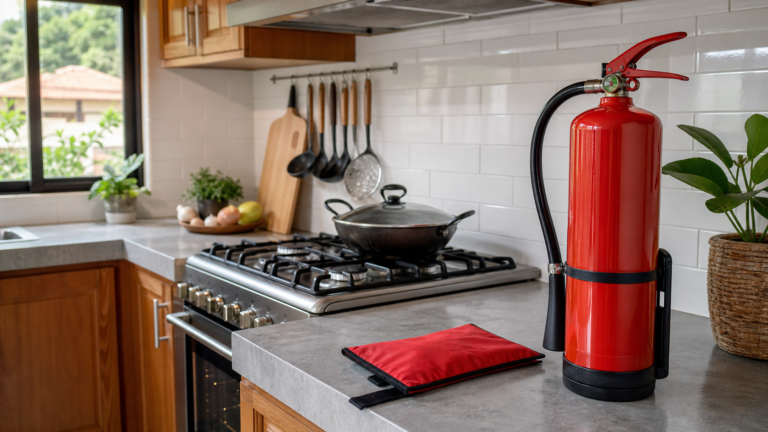
Clean agent sits in a different lane. It is chosen when the protected area contains sensitive electronics or items that should not be coated with powder. It is not a replacement for every other extinguisher in the house. A safer buying conversation asks, ‘What are we protecting here, and what happens after discharge?’
Check Capacity, Access, And User Readiness
Do not buy only by appearance or price. Ask what capacity is appropriate for the room, where the unit should be mounted, and who in the household will know how to use it. A larger unit may offer more agent, but if it is too heavy or awkward for the intended user, it may not be the best fit.
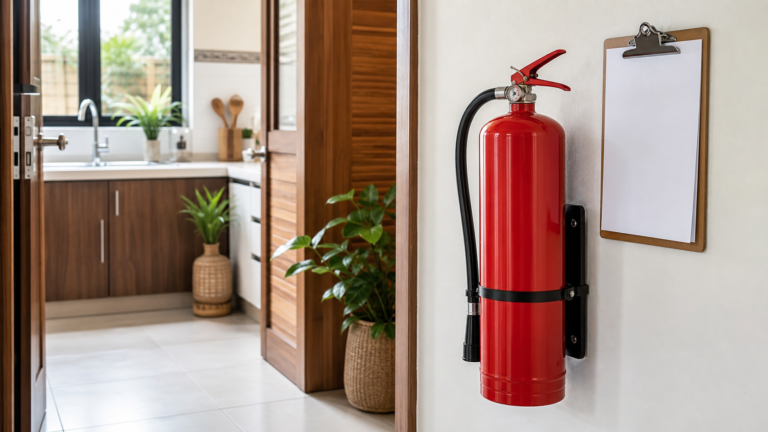
Visibility also matters. An extinguisher should be easy to find, not buried in a cabinet. It should be mounted securely, away from water exposure, direct heat, tampering, and everyday impact. If children, elderly family members, helpers, or tenants are part of the household, the handover should include a calm explanation of what the extinguisher is for and when to call for help.
Ask About Refilling, Inspection, And Support
The purchase is only the beginning. Pressure condition, physical damage, expiry dates, mounting, labels, and service records should be checked regularly. If a unit is discharged, partly discharged, damaged, or past its service interval, it should be inspected by a qualified service provider before being treated as ready again.
This is where buying from a local fire extinguisher specialist has value. SF Allied supplies extinguishers, refilling, inspection, maintenance, hydrotesting, and training support in Pampanga and Central Luzon. For a homeowner, that means the same team can help select the unit, explain placement, and support future servicing instead of leaving the owner with an online purchase and no clear maintenance path.
Questions To Ask Before Buying
Before approving a quote, ask these practical questions:
- Which rooms need clean-agent coverage, and which rooms are better served by ABC or another type?
- What capacity is recommended for each location?
- Where should the unit be mounted so it is visible and reachable?
- How will household members know what it is for?
- What inspection, refilling, and replacement support is available locally?
- What documentation or service tags will be provided after servicing?
These questions help prevent overbuying and under-planning. A good recommendation should be understandable without pressure or jargon.
A Practical Homeowner Buying Sequence
Begin with a basic inventory of your home risks. List the kitchen, garage, electrical panel, CCTV or internet equipment, home office, storage areas, and any small business equipment inside the property. Then ask which locations need general fire extinguisher coverage and which locations need residue-sensitive protection.
After that, request a written recommendation showing extinguisher type, size, placement, servicing expectations, and exclusions. Keep the document with your home maintenance records. When a service visit happens, keep the tag, receipt, or report in the same file. Fire safety is easier to manage when the records are not scattered.
When To Call SF Allied
If you are unsure whether a clean-agent extinguisher is necessary, ask for a practical assessment rather than guessing. SF Allied can help Pampanga and Central Luzon homeowners compare clean-agent, ABC, foam, and kitchen-appropriate options based on actual rooms and hazards.
The best choice is not always the most expensive cylinder. It is the extinguisher plan that fits the risk, can be reached quickly, can be serviced locally, and can be understood by the people who live in the home. Start with the rooms where residue would matter most, then build a balanced extinguisher plan around the whole property.
FAQs
What is a clean-agent extinguisher best used for at home?
A clean-agent extinguisher is useful near electronics-sensitive areas such as home offices, CCTV recorder cabinets, network equipment, and other spaces where heavy powder residue could create extra cleanup or damage.
Does a clean-agent extinguisher replace an ABC extinguisher?
Not usually. Many homes still need ABC dry chemical extinguishers for general coverage. Clean-agent units are better treated as targeted protection for specific rooms or equipment.
Where should homeowners place clean-agent extinguishers?
Place them where the related risk is easy to reach, visible, and away from heat, water exposure, or everyday impact. The best location should be based on the room layout and who will use the extinguisher.
How often should extinguishers be checked?
Homeowners should visually check pressure, damage, accessibility, and tags regularly, then arrange professional inspection, refilling, or replacement when a unit is discharged, damaged, expired, or due for service.
Can SF Allied help compare extinguisher types?
Yes. SF Allied can help compare clean-agent, ABC, foam, and other extinguisher options for Pampanga and Central Luzon homes based on the actual hazards and maintenance needs.